Jamaica Road sofa cleaning for flats and landlords
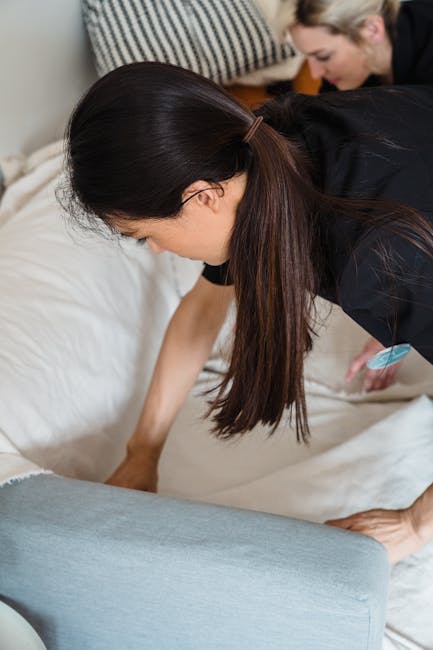
If you live or let property near Jamaica Road, sofa cleaning can be one of those jobs that looks simple until you're facing a tight hallway, a lift that's out of order, and a sofa that has absorbed months of everyday life. For flats and landlords, it is not just about making upholstery look nicer. It's about hygiene, odour control, tenancy standards, presentation, and protecting the value of the furniture in the property.
This guide on Jamaica Road sofa cleaning for flats and landlords explains what professional cleaning involves, why it matters in local rental homes, how the process works, and what to expect if you are managing a move-out, preparing a new tenancy, or just trying to bring a tired sofa back to life. We'll also cover practical mistakes to avoid, useful methods, and a realistic checklist you can use straight away.
Why Jamaica Road sofa cleaning for flats and landlords matters
In flats, sofas often do more work than people realise. They're used for dinner on the tray, laptop sessions, movie nights, guest stays, pet naps, and the odd spill that never quite gets mentioned. Over time, that adds up to visible grime, dull fabric, body oils, dust, and lingering smells. In a rental, those small issues can become a bigger one fast.
For landlords, a sofa that looks clean is not the same as one that is actually clean. A quick vacuum can lift crumbs, sure, but it will not remove deep-down soiling or stale odours. That matters when you're trying to present a property well for viewings, handovers, or inspections. It also matters if the sofa is part of a furnished let and you want it to last longer. Truth be told, replacing upholstery too early is often avoidable.
For tenants in flats, professional sofa cleaning can help protect deposits and avoid awkward conversations at the end of a tenancy. It can also make a flat feel properly settled after a move, especially in compact spaces where one tired sofa can make the whole room feel a bit off. Let's face it: in a small living room, the sofa is basically the main character.
It's also worth remembering that sofa fabric, cushions, and fillings can trap allergens and everyday dust. Regular maintenance helps keep the living space fresher, which is especially noticeable in flats with less ventilation or heavy day-to-day use. If the sofa is part of a wider deep clean, it often pairs well with deep cleaning or, in furnished rental properties, a broader end of tenancy cleaning plan.
How Jamaica Road sofa cleaning for flats and landlords works
Professional sofa cleaning is usually more methodical than people expect. A good cleaner will not simply spray and scrub. They'll inspect the fabric, test the cleaning approach in a small area, and choose a method that suits the material and level of soiling. That is especially important in flats, where access, drying time, and noise can all be real-world constraints.
Most visits follow a simple sequence:
- Initial inspection - checking fabric type, marks, wear, pet odours, and any special care instructions.
- Dry soil removal - vacuuming seams, cushions, and hard-to-reach areas.
- Spot treatment - pre-treating visible stains, traffic marks, or smell hotspots.
- Cleaning method selection - choosing upholstery-safe hot water extraction, low-moisture cleaning, or another suitable approach.
- Agitation and extraction - lifting embedded dirt without over-wetting the fabric.
- Deodorising and final finishing - reducing odours and leaving the fabric looking more even and revived.
Depending on the sofa, a cleaner may also work around removable cushions, delicate trims, buttons, piping, or mixed-material sections. That kind of judgement matters. A velvet corner sofa, a synthetic two-seater, and a leather-look recliner all need different handling. One size definitely does not fit all here.
If you want to compare upholstery care with other fabric treatments, it can help to look at the broader upholstery cleaning service and related options such as sofa cleaning or stain removal. For properties with mixed soft furnishings, that bigger picture is often the sensible way to plan things.
Key benefits and practical advantages
When the job is done properly, the benefits are easy to spot. The sofa looks brighter, smells fresher, and feels more presentable. But for landlords and flat owners, the real value goes beyond appearance.
- Better first impressions - ideal for viewings, inspections, and move-in day.
- Longer furniture life - removing abrasive dirt helps reduce fabric wear.
- Improved hygiene - helpful where the sofa gets daily use from families, sharers, or short-stay guests.
- Odour control - especially useful for food smells, smoke residue, or pet-related issues.
- Reduced deposit disputes - in tenancies where furniture condition is being checked carefully.
- Less need for replacement - often the smarter option when the frame and fabric are still sound.
There's also a practical advantage for landlords managing multiple flats: a clean sofa can make a property feel "ready" even when the rest of the furnishing is fairly basic. A well-kept seat in a small living room changes the whole feel of the place. You notice it immediately when you walk in.
If a property is being refreshed between tenancies, sofa cleaning often works well alongside move out cleaning or move in cleaning, especially when handovers are tight and the flat needs to feel properly reset.
Who this is for and when it makes sense
This kind of cleaning is not only for "dirty" sofas. In fact, some of the best reasons to book it are preventative rather than reactive.
Landlords with furnished flats
If the sofa stays in the property between tenants, regular professional cleaning helps keep it presentable and reduces the chances of a tired, musty look creeping in. That's especially useful for furnished one-beds and compact rentals, where the sofa is a visible focal point.
Tenants at the end of a tenancy
If you're leaving a flat and the sofa is included, a proper clean can be a sensible part of your exit plan. It may not solve every issue, but it can make a noticeable difference to how the property is assessed. Nobody wants to argue over a lingering smell that could have been dealt with earlier.
Property managers and letting agents
For those handling multiple flats near Jamaica Road, consistency matters. A standardised clean helps properties present evenly across inspections, check-ins, and recurring guest stays. It's one of those behind-the-scenes details that keeps everything smoother.
Homeowners in flats
Even if you're not renting out the property, sofa cleaning can be a worthwhile refresh after winter, after a renovation, or after a long stretch of everyday use. It's particularly useful if you also want to pair it with domestic cleaning or a broader house cleaning service.
Step-by-step guidance
If you're arranging Jamaica Road sofa cleaning for flats and landlords, this is the practical way to think about it.
- Check the fabric label or care notes
Different materials respond differently to moisture, heat, and detergent. If you're not sure what the sofa is made from, ask before cleaning begins. - Clear the area
Move cushions, side tables, throws, and anything fragile. In a flat, space is usually tight, so a clear route helps the work go faster and avoids awkward bumps into walls. - Identify problem areas
Look for food marks, armrest greying, pet smells, drink spills, and sun-fade. Mention the worst spots early. It sounds obvious, but it saves time later. - Vacuum thoroughly
Dry debris needs removing first. Crumbs, pet hair, and dust can get in the way of proper cleaning if they're left sitting there. - Pre-treat stains
Stain treatment often needs a little dwell time. This helps loosen the mark before the main clean. - Clean with the correct method
Hot water extraction, low-moisture upholstery cleaning, or specialist stain work should be matched to the fabric and condition. - Allow for drying
Drying time varies. Good airflow matters. Open windows if practical, and avoid sitting on the sofa too soon. Tempting, but you'll only flatten the pile again. - Do a final check
Once dry, inspect the fabric in natural daylight if possible. Sometimes marks look different after drying, especially near armrests and seams.
If the sofa is part of a broader move preparation, many people also combine it with carpet cleaning or steam carpet cleaning so the whole living area feels consistent rather than half-done.
Expert tips for better results
These are the small things that make a surprisingly big difference.
- Tell the cleaner about past spills even if the marks are old. Coffee, wine, ink, and pet accidents often need different treatment.
- Don't overdo DIY sprays. More product does not mean more clean. Sometimes it means sticky residue and a patchier finish.
- Air the room properly if possible. A flat can feel stuffy after cleaning if the air just sits there.
- Use protectors thoughtfully. They can help, but they are not a substitute for proper care.
- Ask about drying expectations before the job starts, especially if the property has a same-day handover.
- Clean upholstery before the final photos if the flat is being marketed. The difference in appearance is usually immediate.
A small but useful tip: if you're managing a furnished flat, keep a record of the sofa's condition before and after cleaning. A quick set of dated photos is simple, and honestly, it can save a bit of back-and-forth later.
Common mistakes to avoid
Most sofa damage during cleaning does not come from bad intentions. It comes from rushing, guessing, or using the wrong method for the fabric.
- Cleaning without checking the fabric type - a real risk with mixed materials and older furniture.
- Using too much water - can lead to long drying times, water marks, or lingering damp smells.
- Scrubbing stains aggressively - that often pushes the stain deeper or distorts the fabric.
- Ignoring hidden areas - the back, under cushions, and between seams can hold a lot of dirt.
- Leaving odours untreated - especially in pet-friendly flats or smoky environments.
- Booking too late before a handover - nobody wants a sofa still drying when the keys are due back.
There's also a landlord-specific mistake: assuming the sofa only needs attention when it looks visibly bad. By then, the fabric may already be holding onto odours and embedded grime. A little maintenance is usually less stressful than a rescue job.
Tools, resources and recommendations
You do not need to turn sofa cleaning into a full science project, but the right tools matter. For professional work, the essentials usually include a strong vacuum with upholstery attachments, suitable pre-sprays, stain-specific treatments, soft brushes, microfibre cloths, extraction equipment, and airflow support for drying.
For landlords and flat managers, the most useful resource is often a simple cleaning schedule. Nothing fancy. Just a record of when furniture was last cleaned, what was treated, and whether any stains were flagged for follow-up. That kind of notes page helps more than people expect.
If your property needs occasional refreshes rather than routine weekly cleaning, you may also find one off cleaning helpful. For flats with shared entrances, stairwells, or managed blocks, communal area cleaning can support the overall presentation of the building too.
And if the sofa issue is just one part of a larger post-works tidy-up, the after builders cleaning service becomes relevant as well, because fine dust has a habit of drifting into upholstery long after the noisy part of the job is done.
Law, compliance, standards, or best practice
For sofa cleaning itself, there is not usually a separate legal rulebook that says exactly how it must be done. But for landlords, best practice is still important. You have responsibilities around keeping furnished property and fixtures reasonably maintained, and upholstery condition can play into that wider duty of care.
In practical terms, the safest approach is to work to the manufacturer's care instructions where they exist, use suitable cleaning methods for the material, and avoid anything that could cause damage or leave the item unsafe to use. In furnished lets, that means being sensible about fabric testing, drying times, ventilation, and the use of chemical products.
Insurance is another sensible consideration. If a cleaner is working in a flat, moving equipment through tight spaces, or cleaning a furnished item owned by a landlord, it is wise to confirm that the provider has appropriate cover and follows basic safety procedures. You can review related business information such as insurance and safety and the company's health and safety policy if you want extra reassurance before booking.
For landlords, documentation also helps. Keep invoices, notes on treatment, and any before-and-after images. It is not about being formal for the sake of it. It just makes life easier if a tenancy question comes up later.
Options, methods, and comparison table
There are several ways to deal with sofa cleaning in a flat, and each has its place. The best option depends on fabric type, the level of staining, drying time, and whether the sofa belongs to a landlord or a tenant.
| Method | Best for | Pros | Watch-outs |
|---|---|---|---|
| Vacuuming and light spot treatment | Routine upkeep | Quick, low-cost, useful between deeper cleans | Won't reach deep soiling or strong odours |
| Low-moisture upholstery cleaning | Delicate fabrics and flats with limited drying time | Faster drying, less disruption | May not fully remove heavy contamination |
| Hot water extraction | General deep cleaning and embedded dirt | Strong cleaning power, good for busy sofas | Needs careful moisture control and drying space |
| Targeted stain removal | Specific problem marks | Focused treatment for drinks, food, or pet stains | Results vary with stain age and fabric type |
For many flats, a mixed approach works best: vacuum first, treat stains, then clean the upholstery with the most suitable method. If the sofa has pet smells or recurring odour issues, a dedicated pet stain odour removal treatment may be the smarter route rather than trying to cover the smell with fragrance.
Case study or real-world example
Here's a realistic example. A furnished two-bedroom flat near Jamaica Road was being prepared between tenancies. The sofa was structurally fine, but the arms had darkened, the seat cushions looked flat, and there was a faint stale smell that became more obvious once the windows were shut.
The first instinct from the landlord was to replace the sofa. Fair enough, because from a distance it did look tired. But after inspection, the issue was mainly surface soiling, armrest wear, and a couple of old food marks. The cleaner vacuumed the upholstery, treated the visible staining, used a fabric-appropriate extraction method, and allowed the room to dry with good airflow. The smell dropped noticeably, the fabric colour looked more even, and the sofa suddenly fit the flat again.
Was it perfect-new? No. And that's the point. It didn't need to be. It needed to look clean, smell fresh, and support the next tenancy without unnecessary replacement. In a flat, especially one with compact rooms and limited storage, that can be the difference between a sensible refresh and a costly purchase.
When the same property later needed a broader reset, the landlord booked a combination of regular cleaning and house cleaning to keep the standard easier to maintain. Small move, big payoff.
Practical checklist
Use this quick checklist before booking or carrying out sofa cleaning in a flat.
- Check whether the sofa belongs to the tenant, landlord, or managing agent.
- Identify the fabric type and any care instructions.
- Note visible stains, odours, pet hair, and worn areas.
- Confirm access: stairs, lifts, parking, entry codes, and timing.
- Ask how long drying is likely to take.
- Confirm whether stain treatment or deodorising is included.
- Clear the area around the sofa before the cleaner arrives.
- Take before photos if the job is for a tenancy or inventory record.
- Plan for airflow after cleaning, especially in smaller flats.
- Do a final inspection once the fabric is fully dry.
Expert summary: In flats, the best sofa cleaning is the one that respects the fabric, dries sensibly, and fits the tenancy situation. Fast is helpful, but careful is usually better.
If you're comparing upholstery care with wider home maintenance, you may also want to look at mattress cleaning or curtain cleaning, because soft furnishings tend to age together. Deal with one, and the others start looking more obvious. Funny how that works.
Conclusion
Jamaica Road sofa cleaning for flats and landlords is really about keeping a property presentable, practical, and easy to live in. A clean sofa improves the feel of a flat immediately, supports rental standards, and helps protect furniture that would otherwise wear out faster than it should. For landlords, it can reduce friction at inspections and between tenancies. For tenants, it can make moving out cleaner and less stressful. For homeowners, it just makes the room nicer to sit in. Simple, but powerful.
The main thing is to choose the right method for the fabric, work carefully around access and drying, and think of sofa cleaning as part of the wider property picture rather than an isolated job. That's usually where the best results come from.
Get a free quote today and see how much you can save.
And if the sofa is only one part of the job, it may be worth planning the rest of the flat at the same time so everything lands together neatly. That's often when a property feels properly looked after. Nice and calm. No drama.
Frequently Asked Questions
How often should a landlord clean sofas in furnished flats?
It depends on use, fabric, and tenancy turnover, but many landlords benefit from cleaning upholstered sofas between tenancies or whenever visible soiling starts to build. In busy flats, a deeper clean may be needed more often than people expect.
Can sofa cleaning help with tenancy deposits?
It can help when the sofa is left in visibly better condition and the cleaning is documented. It will not solve damage or misuse, but it does reduce the chance of avoidable cleaning disputes at the end of a tenancy.
How long does a sofa take to dry after cleaning?
Drying time varies with fabric, method, room temperature, and ventilation. Low-moisture methods dry faster, while deeper extraction methods may need more time. In a flat, good airflow makes a noticeable difference.
Is steam cleaning always safe for sofas?
No. The word "steam" gets used loosely, but not every sofa should be cleaned with heat and moisture in the same way. Fabric type matters a lot, so the cleaner should check suitability before starting.
What if the sofa has pet smells?
Pet odours often need more than a surface clean. A targeted odour treatment can help, especially if the smell has worked into the cushions or underneath the fabric layers. If the issue is strong, mention it early.
Can a cleaner remove old stains completely?
Sometimes yes, sometimes not fully. Older stains can bond with the fabric, and some marks leave a shadow even after treatment. A good cleaner will be honest about what is realistic rather than promising a miracle.
Do landlords need to replace a sofa if it looks worn?
Not necessarily. If the frame and fabric are still in usable condition, professional cleaning may be enough to extend its life. Replacement makes more sense when the damage is structural or the upholstery is beyond reasonable restoration.
What should I do before sofa cleaning in a flat?
Clear the area, remove small items, identify stains, and make sure access is straightforward. If there are parking restrictions, lift issues, or narrow stairways, those details should be shared in advance.
Can sofa cleaning be combined with other services?
Yes, and that is often the most sensible route. Many people combine it with carpet, curtain, mattress, or broader cleaning work so the whole flat feels consistently fresh rather than partially refreshed.
Is professional sofa cleaning worth it for a small flat?
Usually, yes. In a smaller flat, the sofa is often one of the most visible pieces of furniture, so cleaning it can change the whole room's feel. You notice the difference very quickly.
What should landlords ask before booking sofa cleaning?
Ask about fabric suitability, drying time, stain treatment, access requirements, and whether the provider carries appropriate insurance. If the property is furnished, it's also sensible to confirm how the sofa will be protected during the visit.
Where can I find more information about service standards and policies?
It is sensible to review useful pages such as about us, pricing and quotes, and terms and conditions before booking. That gives you a clearer picture of what to expect.